
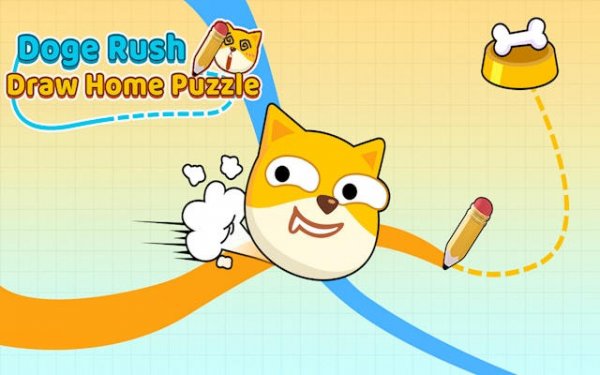
Drawing as Problem Solving
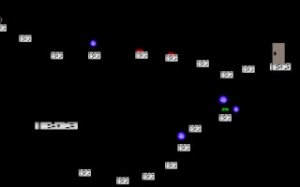
Instead of tapping or swiping, you solve each challenge by drawing a continuous line on the screen. This line becomes a path that characters follow. In one mode, you must connect each animal to its matching food bowl while ensuring no two paths cross. In another, you draw a route through a maze to gather shiny objects and reach the finish. The act of drawing makes you think ahead about space and direction.
Two Distinct Play Styles
The first mode focuses on careful matching. You see several cute pets and their food bowls placed around the board. Your drawn line must guide each pet to the correct bowl without touching any other animal or sharp edges. The second mode turns into a labyrinth escape. Here, you draw a safe corridor through moving barriers and patrolling guards to collect all treasures before exiting. Each mode tests a different kind of planning.
Gentle Difficulty Curve
Early levels let you practice with simple layouts and few obstacles. As you advance, the puzzles introduce more animals, tighter spaces, and moving hazards. The difficulty increases steadily, so you never feel overwhelmed. Because there is no timer, you can pause, think, and redraw your line as many times as needed. This makes the game suitable for both quick breaks and longer sessions.
Visual Charm and Feedback
The art style uses bright colors and round, friendly character designs. Each animal has a distinct look, and the food bowls show matching icons to help you plan. When you draw a correct path, the animal happily walks along it. If a line crosses a hazard or another route, you get a clear visual signal to try again. This immediate feedback keeps the experience smooth and frustration-free.
Tips for Better Puzzle Solving
Look at the entire board before drawing anything. Notice where hazards are placed and which animals are closest to their bowls. In maze mode, identify the order of treasures to avoid backtracking. If a path seems blocked, try a simpler route with fewer turns. Sometimes the most direct line works best. Practicing these habits improves your spatial reasoning over time.




Comments
0 comments