
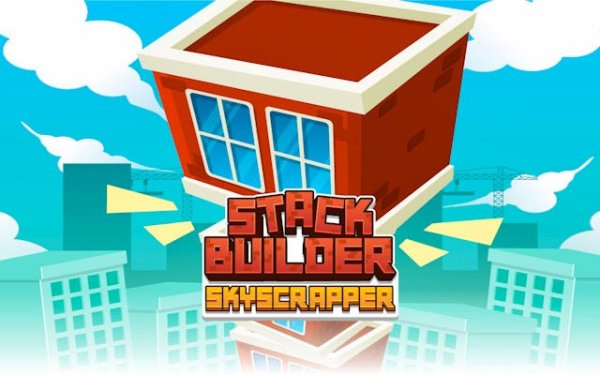
Core Gameplay Loop
In Block Balance, the action centers on a single platform where blocks slide into view. Players must decide the exact moment to release each block so it lands squarely on the stack. The challenge lies in the block's movement speed and the shrinking size of later pieces. Each placement affects the tower's stability, requiring careful observation rather than quick reflexes. This straightforward mechanic creates a satisfying rhythm that players can enjoy in short bursts or longer sessions.
Physics and Stability
The game uses a physics engine to simulate real-world balance. Blocks that are off-center cause the tower to wobble, and severe imbalances lead to collapse. This system adds a layer of strategy, as players must think about the cumulative effect of each placement. The physics feel responsive, making every successful stack rewarding. As the tower grows, the stakes increase, encouraging players to develop a steady hand and a patient mindset.
Visual and Audio Design
The visuals in Block Balance are bright and clean, with a focus on clarity. Each block has a distinct color, and the background remains simple to avoid distraction. Sound effects accompany each placement, providing gentle feedback that confirms a good drop or signals a near miss. The overall aesthetic is cheerful and inviting, making the game suitable for players of all ages. The interface is minimal, with only essential information displayed, so players can focus on the task.
Progression and Replay Value
Block Balance offers endless replayability through its increasing difficulty. Early rounds feature large, slow-moving blocks that are easy to place. As the tower rises, blocks become smaller and move faster, demanding greater precision. There are no levels to unlock or power-ups to collect; the only goal is to beat your personal best height. This simplicity keeps the game accessible while providing a clear challenge for those who want to improve. Each attempt feels fresh because the block movement patterns vary, preventing repetition.







Comments
0 comments