
Core Mechanics
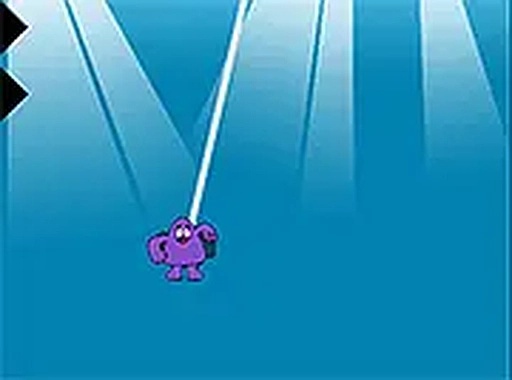
Platform Swing Runner centers on a character that moves in a pendulum-like arc. Players click or tap to release the character at the right moment, sending it toward a nearby platform. The physics engine calculates each trajectory, meaning that a slightly early or late click can result in a missed landing. This straightforward system creates a loop where each attempt feels distinct, as the character's momentum and position change constantly.
Visual and Audio Design
The game uses bright, clean visuals that make platforms and obstacles easy to identify. Backgrounds shift subtly as players progress, providing a sense of movement without distracting from the action. Sound effects accompany successful landings and collisions, offering clear audio feedback that helps players adjust their timing. The overall presentation is minimal and functional, keeping the focus on the core gameplay.
Progression and Challenge
As players advance, the arrangement of platforms becomes more complex. Obstacles appear in new patterns, requiring faster reactions and more precise jumps. The game does not introduce new mechanics but instead relies on refining the existing physics challenge. This gradual increase in difficulty ensures that players can improve their skills over time without feeling overwhelmed. The leaderboard adds a competitive element, encouraging repeated attempts to achieve a higher score.
Accessibility and Platform Support
Platform Swing Runner runs directly in a web browser with no downloads or installations. It is optimized for both desktop and mobile devices, with touch controls that mirror the click input. The game loads quickly and maintains a stable frame rate, even on older hardware. This accessibility means that anyone with an internet connection can start playing immediately, making it a convenient option for casual gaming.








Comments
0 comments